


Last updated: 16 August 2026
Templer Park Country Club (TPCC) is a golf club in Rawang, Selangor, Malaysia, laid out over 18 holes at par 72. Set against the towering limestone hill of Bukit Takun, it was designed by Kentaro Sato, with inputs from the veteran Japanese professional Masashi “Jumbo” Ozaki, and completed in 1991. Measuring 7,143 yards from the black tees, the course pairs genuine strategic demands with scenery that has earned it a reputation as the most photogenic golf course in Malaysia.
Opened on 27 April 1991, TPCC was the first golf course in Malaysia to be owned and operated by Japanese investors, and a pioneer that introduced buggies, female caddies and night golf ahead of its peers. The locker rooms house Japanese-style hot baths, and the restaurant serves Japanese cuisine alongside local dishes. Having hosted the Malaysian Open three times, it is a rare course where championship pedigree meets Japanese golf culture. Below is GoGolf’s detailed review.

Key Information
| Location | Jalan Rawang, 48000 Rawang, Selangor, Malaysia |
|---|---|
| Designer | Kentaro Sato (design), with inputs from Masashi “Jumbo” Ozaki / 1991 |
| Opened | 27 April 1991 |
| Layout | 18 holes, par 72 |
| Length | Black 7,143 yards / Blue 6,725 yards / White 6,343 yards / Red 5,480 yards |
| Turf | Greens: Satiri grass / Fairways: Bermuda |
| Highlights | The Bukit Takun limestone scenery, Japanese-style hot baths, Malaysia’s first Japanese-owned golf course |
| Tournament record | Host of the Malaysian Open (1995, 1996, 2000) |
| Telephone | +60 3-6091 9111 / +60 3-6091 9617 |
Three Reasons Golfers Choose TPCC
Limestone scenery you will not find elsewhere, a championship layout that has staged international events, and facilities steeped in Japanese golf culture. These three qualities make TPCC a distinctive member of Malaysia’s established clubs.
- The dramatic scenery of Bukit Takun — The entire course is framed by the limestone hill of Bukit Takun, wrapped in mist at dawn and lit gold at dusk. It is an atmosphere you will not encounter anywhere else, and the reason TPCC is so often called Malaysia’s most photogenic course.
- A championship course that has hosted the Malaysian Open — The 18-hole, par-72 layout designed by Kentaro Sato, with inputs from Masashi Ozaki, staged the Malaysian Open in 1995, 1996 and 2000. At 7,143 yards from the black tees, it offers ample length for the low handicapper.
- The essence of Japanese golf culture — Japanese-style hot baths, still a rarity on Malaysian courses, are built into the locker rooms, and the restaurant serves Japanese food. As the country’s first Japanese-owned course, TPCC also led the way in introducing buggies, female caddies and night golf.
The natural centrepiece: the limestone hill of Bukit Takun
The most striking thing about TPCC is the landscape itself. The course is encircled by Bukit Takun, whose sheer limestone cliffs form a visual anchor at the heart of the property. This is more than a pleasant backdrop: it gives the club an atmosphere that is genuinely difficult to find on any other Malaysian golf course.
The hill shows a different face every time you play. Thin morning mist wraps its slopes into something dreamlike; by late afternoon, golden light turns the same view dramatic. Because a single hole can look entirely different depending on the hour, the course stays fresh no matter how often you return. That presence is precisely why so many golfers describe TPCC as the most photogenic course in Malaysia.
Bukit Takun is part of the Templer Park forest reserve and is protected to keep the surrounding ecosystem in balance. Birdsong, the sound of water running off the hillside, and the cool air that comes with mature vegetation combine to give TPCC a notably refreshing feel — pleasant even for visitors who come only to look around or have lunch at the clubhouse. The hill is also a well-known destination for rock climbing and trekking, and a fair number of people visit for reasons that have nothing to do with golf.
Location and Access
Templer Park Country Club sits along Jalan Rawang in Rawang, Selangor, within the 48000 postcode. It is roughly a 30-minute drive from central Kuala Lumpur — about as good as it gets for anyone who wants to stay in the city and play golf surrounded by nature. The course adjoins the evergreen Templer Park forest reserve, and the noise of the city disappears the moment you pass through the gate.
The practical ways to get here are a company car or your own vehicle, or a ride-hailing service such as Grab. Trunk roads connect directly from central Kuala Lumpur and the Selayang area, and the club draws everyone from corporate executives and professional athletes to golf tourists from overseas. If you are aiming for a morning tee time, allow extra time for traffic around Kuala Lumpur. Head a little further north and you reach Batu Caves and other attractions in the city’s northern districts, which makes the course easy to pair with sightseeing.
Course Design and Character
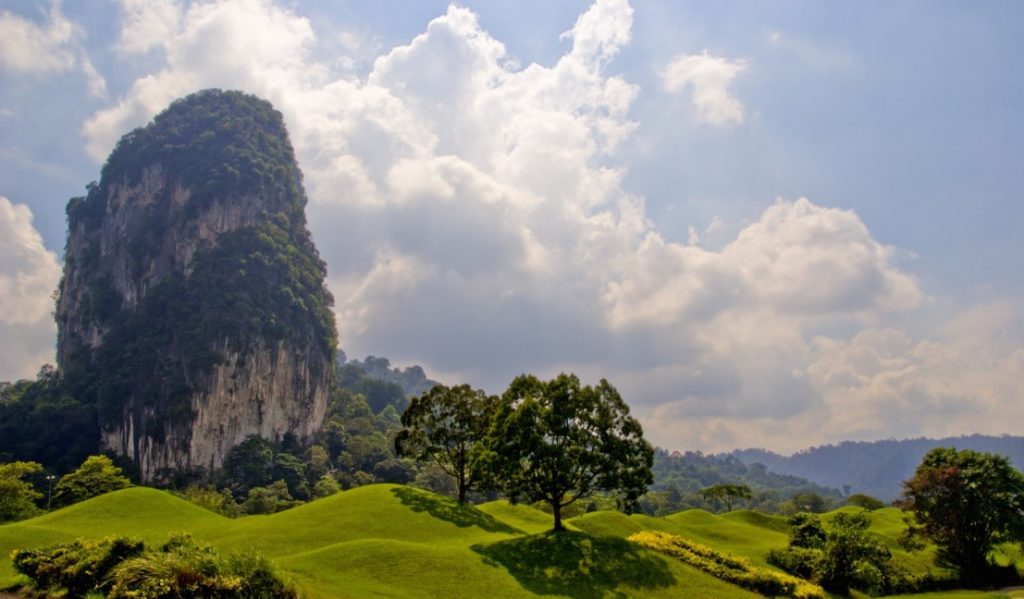
TPCC was built on land that was once a quarry, and the terrain combines naturally flat stretches with rolling sections. Kentaro Sato designed the course, with inputs from Masashi Ozaki, one of Japan’s greatest professional golfers, and it was completed in 1991; the club’s own history credits the layout to Sato, with inputs from Ozaki. Because a competitor’s feel for the game went straight into the design, the result is not merely beautiful to look at but genuinely rewarding to play. The greens are Satiri grass and the fairways Bermuda.
The front nine is relatively flat, offering a chance to build a score while keeping risk in check. The fairways are not especially wide, however, and strategically placed bunkers demand accuracy. Think of it as the stretch for warming up and taking measured risks.
The back nine sits on more undulating ground and the golf becomes appreciably more complex. You will need to handle elevation change, attack from narrow angles, and read the wind. Consistent ball control from tee to green matters, as does staying alert to scattered water hazards and bunkers that are hidden from the tee. Attack the scoring holes, play conservatively on the dangerous ones — that contrast in management is the key to a good round.
The black tees stretch to 7,143 yards, but with blue at 6,725, white at 6,343 and red at 5,480, four sets let you pick your own level of difficulty. Course conditioning and turf care are highly regarded by Malaysian and visiting golfers alike, and together with the limestone views they make for a thinking golfer’s course where distance alone will not carry you.
A History of Firsts
Templer Park Country Club opened to the public on 27 April 1991. What set TPCC apart from the very beginning was its willingness to innovate. It was, first of all, the first golf course in Malaysia owned and operated by Japanese investors. It also led the way in bringing in buggies — still unusual in the Malaysian golf industry at the time — and in employing female caddies.
It is also remembered for introducing night golf on the front nine, opening the game to players who wanted to avoid the heat of the day or squeeze in a round after work. That flexible, inclusive approach to golf had a real influence on how Malaysian clubs were run at the time.
The competitive record is there too. TPCC hosted the Malaysian Open three times, in 1995, 1996 and 2000, proving itself a championship venue capable of staging a top-tier international event. More than three decades after opening, that pioneering spirit and the design philosophy of working with the natural landscape remain central to the club’s identity. As a rare meeting point of Japanese and Malaysian golf culture, TPCC has helped shape the history of the game in Malaysia.
The Clubhouse and the Japanese-Style Baths
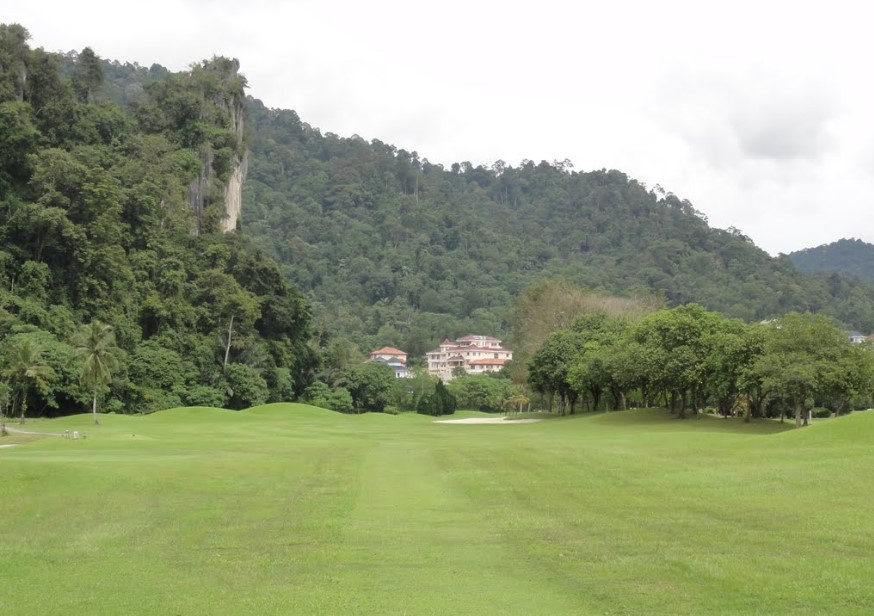
As an international-standard club, TPCC covers all the essentials that make a round comfortable: an unhurried clubhouse, a pro shop, golf carts, and shoe and caddie hire. What deserves particular mention, though, is the Japanese-style hot bath, still a rarity on Malaysian golf courses.
The baths are provided in both the men’s and women’s locker rooms and draw on natural water flowing from the limestone hills around the Templer Park forest. They are valued for easing tired muscles and improving circulation after a round — a favourite among regular members and a welcome surprise for first-time guests. Anyone used to Japanese golf clubs will understand exactly what a soak after eighteen holes is worth.
The clubhouse restaurant serves both local dishes and Japanese cuisine, which says a good deal about TPCC being more than a sports facility. Meeting rooms and catering are available too, so the club can handle corporate tournaments, company outings and other larger events.
A Memorable Round
A round at TPCC engages all the senses. You play beneath the limestone cliffs of Bukit Takun, in scenery made dramatic by morning mist or evening light, and afterwards you soak away the fatigue in a Japanese-style bath. More than a few visitors say it feels like being at a golf resort in Japan.
Attentive service, courteous staff, and the fresh air that comes with a nature reserve. Birdsong, water running off the hillside, and the coolness the vegetation brings all sharpen the senses shot by shot. For anyone looking for golf that feels genuinely integrated with its surroundings — scenery, design, facilities and atmosphere all in place — TPCC is a first choice, and it has long been popular with those hunting a photogenic backdrop as well as with organisers of professional tournaments and social golf events.
Around the Course and in Kuala Lumpur
The Rawang and Selayang area is dotted with natural attractions including the Templer Park forest reserve, waterfalls and caves, so it is easy to build a trip that combines golf with the outdoors. Bukit Takun itself is a well-known rock-climbing and trekking spot and draws an active crowd.
The towns of Rawang and Selayang nearby offer local food and markets. Travel a little further and you can reach Batu Caves, the famous limestone cave temple, along with other attractions in northern Kuala Lumpur. With the city centre around 30 minutes away by car, the course pairs easily with sightseeing, dining and shopping. If you are planning several days of golf, the usual combinations areSaujana Golf and Country Club , TPC Kuala LumpurandThe Mines Resort and Golf Club . You can browse the other courses on theGoGolf course listing.
Before You Play
- Access: A company car, your own vehicle or a ride-hailing service such as Grab is the practical choice. About 30 minutes by car from central Kuala Lumpur, at Jalan Rawang (48000 Rawang). Traffic around Kuala Lumpur can be heavy, so allow extra time.
- Course character: The front nine is relatively flat; the back nine has more elevation change. Narrow fairways, strategic bunkering, water hazards and bunkers hidden from the tee all come into play. Club selection and reading the wind are key.
- Choosing a tee: Four sets — black 7,143, blue 6,725, white 6,343 and red 5,480 yards. Picking the right one lets you enjoy both the score and the scenery.
- Greens: The Satiri grass greens are unusual even by Malaysian standards. Spend time on the practice green to find your pace before you start.
- Hot baths: The locker rooms have Japanese-style hot baths, ideal for unwinding after your round.
- Night golf: TPCC has a history of night golf on the front nine. Please check current evening operations before you visit.
- Caddies, buggies and dress code: Arrangements for caddies, buggies and rental equipment are subject to change. A collared shirt, golf trousers and golf shoes are standard, and sun protection and hydration are essential.
Frequently Asked Questions
What kind of golf course is Templer Park Country Club?
Who designed it, and when did it open?
How many holes and how long is it?
What grass is used on the greens and fairways?
Where is it?
What is Bukit Takun?
What is the course like?
Has it hosted tournaments?
Is it true that there are hot baths?
Is it enjoyable for beginners?
What facilities are there?
Why are there so many Japanese touches?
How do I get there — is transport provided?
More Golf Courses in Selangor
Swipe to see more courses →