Golf is considered expensive mainly because of three costs: equipment (a full set of 14 clubs plus balls, a bag and accessories), green fees that reflect the high cost of maintaining a large course, and the ongoing cost of practice and coaching. Club membership, caddie and cart fees add to the total. Even so, 9-hole packages, weekday promotions, rental equipment and local golf communities make it possible to start playing without draining your savings.
Golf is often associated with luxury and exclusivity. Many people still believe it is a sport reserved only for certain circles—particularly those in the middle- to upper-income bracket. As a result, the perception that golf is too expensive discourages many from even trying the sport. But is golf truly an expensive hobby?
This GoGolf article provides a comprehensive breakdown of the reasons behind golf’s reputation as a pricey sport, complete with detailed cost analysis and alternative solutions to help make golf more accessible and inclusive for all.
1. High Cost of Golf Equipment
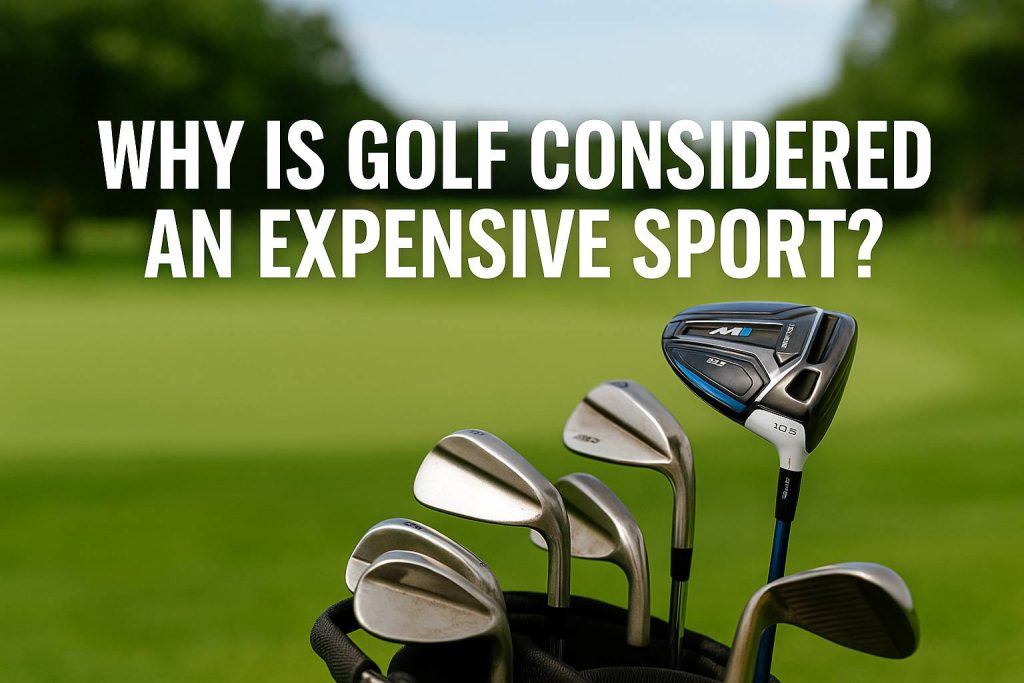
One of the main reasons golf is seen as an expensive sport is the price of equipment required. Unlike other sports where a pair of shoes and proper attire might suffice, golf demands a full set of specialized gear—including various types of clubs, golf balls, a golf bag, and several accessories.
Golf Equipment Pricing
A full set of golf clubs (14 clubs) varies widely in price, from entry-level sets to premium brands like XXIO or Titleist, and a single driver or a graphite iron set alone can be a significant expense. Even second-hand gear doesn’t come cheap.
On top of clubs, players need golf balls, a golf bag and accessories like tees, towels, gloves and headcovers. Prices vary by retailer and season, but together these items can significantly raise the initial investment.
2. Expensive Golf Course Green Fees
The second factor that contributes to golf’s “expensive” image is the relatively high green fees when compared to other sports like futsal, basketball, or tennis. This is understandable, considering that a golf course requires vast land area, intensive turf maintenance, drainage systems, regular mowing, and supporting facilities—all of which contribute to high operational costs.
Course Fees and Membership
The cost of a full 18-hole round depends on the course and the day of the week. High-end facilities such as Pondok Indah Golf Course in Jakarta charge non-members noticeably more on weekends, and at The Range PIK, weekend green fees are considerably higher than weekday rates. Green fees vary by day of the week, public holidays, season and timing. The rates shown on GoGolf reflect these in real time as closely as possible, so please check the GoGolf app or website for current pricing.
If you’re looking to become a member, expect substantial initiation fees on top of annual or monthly dues. Add to that the optional but often necessary fees such as caddie and golf cart rental, and it’s easy to see why the costs add up.
That said, many golf courses now offer more flexibility for non-members, including 9-hole packages that save both time and money.
Make golf booking easier with the GoGolf app


3. Long Learning Curve and Training Costs
Golf isn’t just a sport—it’s a complex skill that requires continuous practice. While it may look simple from the outside, mastering a precise swing, judging distances, and reading greens can take years of consistent effort.
Training Fees and Coaching Costs
Golfers who want to improve typically practice regularly at driving ranges, where practice balls are charged separately. Private coaching sessions with a professional instructor are another cost, and rates vary with the coach’s experience.
Aside from the financial cost, there’s also the time commitment. Perfecting swing mechanics, putting techniques, and course strategies requires months or even years of dedication. For this reason, golf is often considered a long-term investment in skill development.
However, cost-effective alternatives do exist. You can practice at home using affordable training aids and simulators, which can help sharpen consistency without breaking the bank.
4. Typical Costs of Playing Golf in Indonesia
To give a realistic picture of what it takes to start playing golf in Indonesia, here are the main initial and monthly recurring expenses:
Initial Costs (Starter Pack)
- Full golf club set
- Golf bag
- Golf balls
- Golf apparel & shoes
- Accessories (tees, gloves, towels, etc.)
Monthly Costs (Without Club Membership)
- Green fees (2 rounds/month)
- Caddie & cart rental
- Driving range sessions (4x/month)
- Coaching (2x/month)
If you play more frequently, maintain club membership, or participate in tournaments, your costs will naturally increase. However, many local golf communities now offer shared memberships, weekday promotions, and group training packages that are far more affordable.
Is Golf Really Expensive?
Golf may not be the cheapest sport, but the belief that it’s reserved only for the wealthy is a myth that’s quickly fading. With smart budgeting, seeking out value-driven courses, using rental equipment, and joining local communities, anyone can start playing golf without draining their savings.
Beyond the financials, golf offers tremendous benefits in physical health, mental clarity, and social networking. Many companies even use golf as a platform to nurture long-term business relationships. So in that sense, the money spent on golf can be viewed as an investment in a healthier lifestyle and an enhanced quality of life.
FAQ About Why Golf Is Considered an Expensive Sport
Why is golf considered an expensive sport?
Golf is considered expensive because of high equipment costs, green fees, course maintenance and premium facilities. It is also associated with an exclusive lifestyle, which reinforces the image.
What are the main costs involved in playing golf?
The key golf expenses are equipment (clubs, balls, bag), Green fees for each round, caddy and cart fees, and training and coaching. Club membership adds joining fees and dues on top.
What affects the price of golf clubs for beginners?
A beginner golf set varies widely in price depending on the brand and model. Balls, a bag and accessories add to the initial cost, and prices also vary by retailer and season.
Why are golf course fees expensive?
Golf courses require large land areas, irrigation systems, turf maintenance and staff. These make operational costs very high, which is reflected in green fees.
What affects the cost of a round of golf?
The cost of a round depends on the course, the day and the time you play, and it changes on public holidays and by season. Check the GoGolf app or website for current rates.
Are golf club memberships expensive?
Yes. Many golf clubs charge high joining fees plus annual or monthly dues.
Why does learning golf cost money?
Golf requires ongoing practice and professional coaching. Practice balls at the driving range are charged separately, and coaching is usually charged per session.
Is golf only for wealthy people?
Not necessarily. Today, golf is becoming more accessible through public courses, promotions and second-hand equipment.
Why is golf associated with luxury?
Golf is often linked to business networking, premium facilities and high-end lifestyles. That makes it appear exclusive.
Can golf be played on a budget?
Yes. Golfers can save money by playing on public courses, choosing weekday tee times, using second-hand equipment and practicing at driving ranges before going on the course. Many courses also offer 9-hole packages for non-members.
Why does golf take a long time to play?
A full round of 18 holes typically takes 4–6 hours. That requires time flexibility.
Is golf worth the cost?
For many players, yes. Golf offers value beyond sport, including networking opportunities, relaxation in nature and long-term lifestyle benefits.